
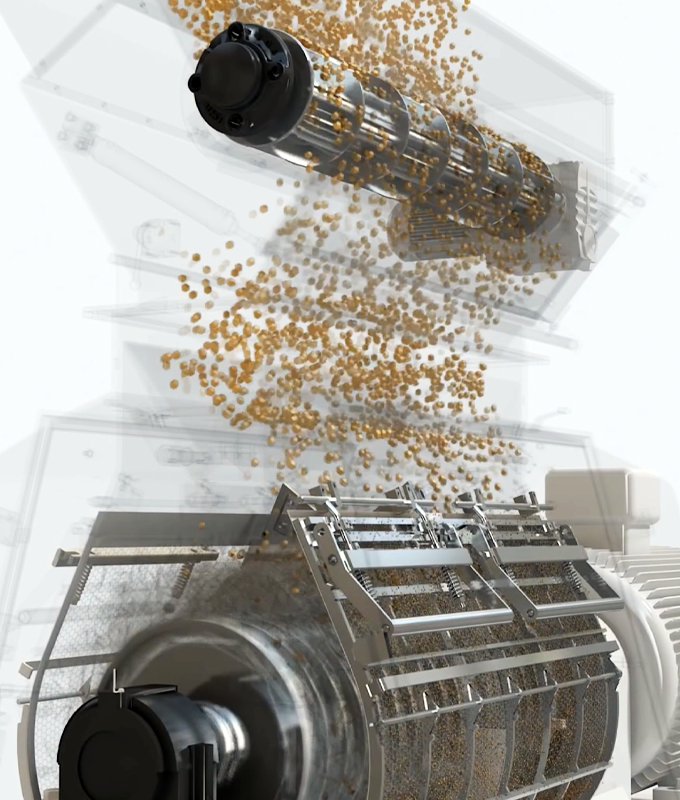
Equipment degradation impacts production schedules and product quality across various processing facilities. Recognizing when machinery reaches the end of its useful life helps prevent unexpected shutdowns and costly repairs. Operators often notice performance fluctuations in milling grinding that signal a need for an upgrade, particularly regarding core processing units.
Worn Hammers
Worn hammers are frequently the first indicator that a machine requires attention. When these components lose their edge, the efficiency of milling drops significantly, requiring more energy to achieve the desired result. If the hammers can no longer be serviced, it may be time to look for a replacement unit.
Blinded Screens
Blinded screens also cause significant operational challenges. When screen perforations become permanently blocked, throughput slows down, creating bottlenecks in the line. Similarly, frequent amp spikes suggest that the motor is laboring under increased resistance, which may point to mechanical fatigue or internal alignment issues within the grinding chamber.
Amp Spikes
Spikes in amperage often signal that the motor is working harder than usual to process raw materials. This irregularity frequently stems from internal mechanical friction or obstructions. FAMSUN provides equipment engineered for durability and consistent output to help operations minimize these disruptions through reliable design.
Uneven Particle Size
Uneven particle size output is another clear warning sign. When a dry grinding machine fails to produce a consistent texture, it disrupts the downstream mixing and pelleting processes. Inconsistent output often stems from internal structural wear that cannot be corrected by simple adjustments alone.
Rising Downtime
Rising downtime is perhaps the most quantifiable metric of all. If the frequency of unplanned maintenance tasks outweighs the time spent in production, the machinery is no longer viable. FAMSUN focuses on providing solutions that address these common failure points through robust engineering.
Replacing outdated equipment ensures that the facility functions at the desired capacity without persistent mechanical failures. When components within the milling assembly reach a state of terminal wear, production costs increase due to inefficiencies and energy waste. Operations that experience consistent issues with grinding quality or mechanical reliability benefit from evaluating their current setup. Reviewing the mechanical health of the dry grinding machine allows management to plan for necessary equipment updates rather than reacting to sudden, total system failures. By addressing these signs early, facilities protect their throughput and ensure smooth production cycles.