
Furniture lighting can change how a space functions without requiring major structural alterations. A discreet line of light beneath a cabinet, inside a wardrobe, or around a display shelf can improve visibility while adding depth to an interior.
For lighting buyers, understanding the differences between a flexible silicone light strip and other strip formats is a useful starting point. LEDIA Lighting offers solutions for integrated lighting applications, while the right specification depends on furniture design, installation conditions, and the desired visual effect.
Where Furniture Strip Lighting Works Best
Furniture lighting serves both practical and decorative purposes. In kitchens, strips installed beneath wall cabinets can illuminate worktops and reduce shadows created by overhead lighting. Wardrobes benefit from internal illumination, making clothing and accessories easier to locate, particularly in deep compartments.
Retail environments use linear lighting to draw attention to merchandise and improve product visibility. Shelves, glass cabinets, display niches, and checkout counters can all benefit from carefully positioned light sources. The placement should complement the displayed products rather than create distracting bright spots or reflections.
Living spaces offer additional possibilities. Recessed strips beneath floating cabinets, behind headboards, or along shelving can create indirect illumination that adds visual depth. Such applications often work best with concealed light sources, since the illuminated surface becomes the focus rather than the strip itself.
Understand the Main Types and Lighting Characteristics
Strip lights vary in construction, flexibility, output, and appearance. Traditional SMD strips use individual LED packages mounted along a flexible circuit board, while COB designs create a more continuous line of light through closely arranged LED chips. Silicone-based formats may offer a different appearance and bending behaviour, depending on their structure.
The choice of LED light strips for furniture should reflect the installation location. A narrow wardrobe channel may require a compact strip, while a kitchen cabinet installation may need a format compatible with an aluminium profile. Buyers should compare strip width, thickness, cutting intervals, and connector dimensions before placing an order.
Brightness should be assessed in relation to the task. A display shelf may need modest accent illumination, whereas a kitchen worktop requires enough light to support food preparation. Lumens per metre provide a useful output reference, but the final effect also depends on mounting distance, diffuser material, surface colour, and the direction of the light.
Colour temperature influences the atmosphere of the furniture and surrounding room. Warm white often complements timber finishes and relaxed residential interiors, while neutral white can suit contemporary kitchens, offices, and retail displays. Where accurate colour appearance matters, CRI should also be considered alongside brightness and colour temperature.
Plan Installation, Safety, and Long-Term Use
The furniture material and mounting method affect how a strip should be installed. Wood, laminate, metal, and glass have different surface characteristics, so the adhesive or mounting channel must be suitable for the substrate. Dust, grease, and uneven surfaces can weaken adhesion and cause sections to detach over time.
Heat management is another consideration, particularly in enclosed furniture compartments. Aluminium profiles can provide mechanical protection and help dissipate heat, while diffusers soften the appearance of individual LEDs. The selected profile must accommodate the strip dimensions and allow enough space for wiring and connectors.
Electrical compatibility should be checked before installation. The strip voltage must match the power supply, and the driver’s capacity should account for the total connected wattage. For longer runs, voltage drop can cause brightness differences, making the manufacturer’s recommended maximum run length and power-feed arrangement important.
Moisture exposure also changes the specification. Dry wardrobe interiors have different protection requirements from kitchen areas near sinks or furniture installed in humid environments. An IP rating indicates defined levels of protection against dust and water, but buyers should verify whether the full assembly, including connectors and cut ends, has the required protection.
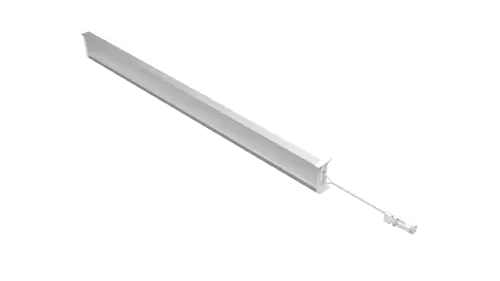
For projects prioritising colour accuracy, LEDIA Lighting’s Built-in & Free cutting Alu Profile Strip Light F03 is specified with CRI greater than Ra90. Its high colour-rendering performance is intended to support human-centric lighting and comfortable visual experiences. As a built-in aluminium profile strip light, it is relevant to integrated furniture applications where the appearance of illuminated materials is important; buyers should consult the product datasheet for further electrical, dimensional, and installation specifications.
Conclusion
Furniture strip lighting is a relatively compact addition, yet its performance depends on several connected decisions. Application, brightness, colour quality, profile dimensions, heat dissipation, and power supply compatibility all influence the final result. A flexible silicone light strip may suit certain shaped or decorative installations, while profile-based formats can provide a more integrated appearance in cabinets and shelving.
For buyers comparing LED light strips for furniture, the most useful approach is to begin with the furniture structure and intended lighting effect, then check the technical details against those conditions. LEDIA Lighting provides options for different integrated lighting needs, including high-CRI applications. Careful specification review helps project teams achieve a consistent appearance and a practical installation that fits the furniture design.