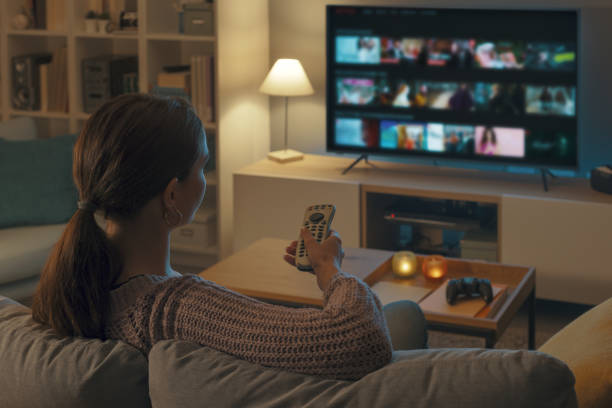
Have you ever told yourself, “Just one more episode” or “one more game,” and then suddenly realized an hour had disappeared?
That happens to a lot of people, and it is not just about weak self-control. Games and series are designed around emotions, curiosity, rewards, and connection.
They pull us in because they give our brains something to care about, chase, or look forward to.
The Emotional Hook Behind Screen Entertainment
Gaming and series watching feel addictive because they tap into basic human emotions. We enjoy stories, progress, surprise, challenge, and the feeling of being part of something bigger.
Whether someone is playing a game or watching a drama, the emotional pattern is often similar. The screen gives them a reason to stay engaged.
Stories Make Us Care
A good series makes viewers feel connected to characters. We want to know what happens next because we have invested emotionally in their problems, relationships, and choices.
This is why people can feel genuinely upset when a favorite character suffers or excited when a long-awaited moment finally happens. The brain treats fictional emotions as meaningful, even when we know the story is not real.
Games Create Personal Investment
Gaming adds another layer because the player is not just watching events unfold. They are taking action.
That sense of control makes the experience feel personal. Winning, losing, improving, or unlocking something can feel rewarding because the player feels responsible for the result.
Common emotional triggers in games include:
- Completing a difficult level
- Unlocking a new item
- Beating a strong opponent
- Improving a skill over time
- Playing with friends or a team
Even a simple APK game on a phone can become emotionally engaging when it gives players goals, rewards, and steady progress.
Why “Just One More” Feels So Tempting
The “just one more” feeling is one of the biggest reasons gaming and series watching can become hard to stop. Both formats often end at the exact moment your brain wants more.
This is not always harmful, but it can become a problem when entertainment starts replacing sleep, work, study, or real-life responsibilities.
Cliffhangers Keep Curiosity Alive
Series often use cliffhangers to keep viewers interested. An episode may end with a secret, conflict, or shocking moment that makes stopping feel uncomfortable.
The viewer wants emotional closure. So instead of waiting, they start the next episode right away.
For example, someone watching nonton drama china content may continue episode after episode because romantic tension, family conflict, or mystery plots keep raising new questions.
Games Use Reward Loops
Games often rely on reward loops. A reward loop is a simple cycle that keeps players engaged.
It usually works like this:
- The player receives a goal
- They take action to reach it
- The game gives feedback or a reward
- A new goal appears
- The player feels motivated to continue
This loop can feel satisfying because progress is clear and immediate. Real life is often slower and messier, so the quick feedback from games can feel especially appealing.
The Role of Escape and Comfort
Games and series also offer emotional comfort. After a stressful day, entering another world can feel easier than dealing with real-life pressure.
This does not mean entertainment is bad. In healthy amounts, it can help people relax, recharge, and feel less alone.
Screens Offer a Break from Stress
When people feel tired, bored, anxious, or lonely, screen entertainment can provide relief. A familiar show or favorite game gives the mind something predictable and enjoyable.
This comfort can be especially strong when the content becomes part of someone’s routine. Watching an episode before bed or playing a quick game after work can feel like a small emotional reset.
Familiar Worlds Feel Safe
People often return to the same types of stories or games because they know what feeling to expect. That familiarity can be calming.
| Entertainment Type | Emotional Appeal |
| Series | Story, characters, suspense |
| Games | Control, challenge, progress |
| Live content | Community, reactions, shared moments |
| Casual mobile apps | Quick rewards, easy access |
This emotional comfort is one reason people may go back again and again, even when they have other things to do.
When Entertainment Becomes Too Much
Gaming and series watching are not automatically unhealthy. The issue is usually about balance, not the activity itself.
It becomes a concern when the person feels unable to stop, ignores important tasks, or uses entertainment as the only way to handle emotions.
Warning Signs to Notice
A habit may be getting too strong when it regularly causes problems in daily life.
Some signs include:
- Losing sleep often
- Skipping meals or responsibilities
- Feeling irritated when interrupted
- Hiding how much time is spent
- Choosing screens over important relationships
- Feeling guilty but repeating the pattern
People interested in APK MOD games should also be careful, because modified apps can sometimes raise safety, privacy, or fairness concerns depending on where they come from and how they are used.
How to Keep It Healthy
The goal is not to remove fun from life. The better goal is to enjoy gaming and series without letting them control your time.
Helpful steps include:
- Set a clear stopping point before starting
- Use timers or episode limits
- Avoid starting late at night
- Take short breaks between sessions
- Mix screen time with offline activities
- Notice whether you are relaxing or avoiding something
Small boundaries can make entertainment feel enjoyable instead of draining.
Conclusion
Gaming and series watching feel emotionally addictive because they give us stories, rewards, control, comfort, and curiosity. They make us care, then keep giving us reasons to continue.
When used with balance, they can be fun and relaxing. The key is knowing when the screen is helping you unwind and when it is quietly taking more time than you meant to give.