The adoption of renewable energy is changing how homeowners think about electricity. Solar panels are no longer viewed only as a way to generate power during sunny hours. More households are now considering energy storage as part of a complete approach to managing electricity, improving flexibility, and making better use of solar generation.
Interestingly, many ideas behind residential energy storage come from commercial solar projects. Businesses have spent years evaluating how to balance energy production, consumption, and storage because their operations often require stable and efficient power management. These experiences provide valuable insights for homeowners who are planning their own renewable energy systems.
For many households, finding the best solar energy system for home means looking beyond the solar panels themselves. Battery capacity, installation environment, energy usage patterns, and future needs all influence whether a system can effectively support daily life.
What Residential Solar Can Learn from Commercial Energy Planning
Commercial solar projects usually begin with detailed energy analysis. Businesses need to understand when electricity is consumed, how much power is required, and how renewable energy can be integrated into existing systems.
Homeowners can apply a similar approach when planning residential storage. Instead of selecting a battery only based on its capacity, it is important to consider household electricity habits.
For example:
- A family that uses more electricity during the evening may benefit from storing daytime solar generation.
- A household with electric vehicles may require additional energy planning.
- A property in an area with unstable grid conditions may prioritize energy availability.
Commercial projects demonstrate that effective energy management starts with understanding consumption patterns. Residential users can use the same principle to create a system that matches their actual needs.
Battery Storage: The Connection Between Solar Generation and Daily Usage
Solar panels produce electricity when sunlight is available, but household demand does not always follow the same schedule. Many homes consume more energy in the evening when solar production decreases.
A residential battery helps connect these two periods by storing available solar power and making it accessible when needed. This creates a more balanced relationship between energy generation and consumption.
A well-designed battery system typically considers:
- Daily household electricity demand
- Solar panel output
- Available installation space
- Expected energy usage changes
The goal is not simply to install the largest battery possible. Instead, homeowners should select a storage solution that fits their lifestyle and energy requirements.
Commercial solar projects often emphasize this principle because businesses must carefully manage investment decisions. Residential users can also benefit from approaching battery selection with a long-term perspective.
Outdoor Solar Power System Design: Lessons from Larger Projects
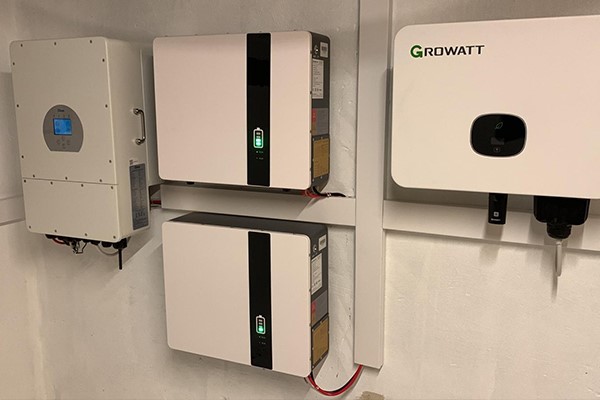
Installation conditions are another area where residential users can learn from commercial applications. Large solar projects often use outdoor equipment designs because they provide flexibility in system placement and project planning.
An outdoor solar power system can be an option for homes where indoor installation space is limited or where homeowners prefer dedicated outdoor equipment placement. Outdoor solutions require consideration of environmental conditions, protection levels, and accessibility for maintenance.
Commercial projects usually evaluate:
- Weather conditions
- Equipment protection
- Installation location
- Long-term operation requirements
These considerations are also relevant for residential systems. A suitable installation environment can help ensure that the energy storage equipment works effectively within the overall solar setup.
When planning an outdoor solar solution, homeowners should evaluate their property layout, local climate conditions, and future energy requirements before selecting equipment.
Sunway 15kWh/16kWh Residential Energy Storage Battery for Modern Homes
As residential solar adoption grows, battery solutions designed specifically for household applications are becoming an important part of renewable energy systems. The Sunway 15kWh/16kWh Residential Energy Storage Battery is designed to support home energy storage needs and solar integration.
The battery provides 15kWh and 16kWh capacity options, allowing homeowners to select a configuration based on their electricity consumption and energy goals. It is suitable for residential scenarios where users want to store solar energy and manage household power usage more flexibly.
When choosing a residential battery, homeowners should consider:
- Existing solar system configuration
- Household electricity consumption
- Available installation location
- Potential future energy needs
A properly selected storage solution can help households better coordinate solar generation with daily electricity use.
Why Supplier Experience Matters for Residential Solar Projects
Although residential systems are smaller than commercial installations, choosing a reliable supplier remains important. Homeowners and installers need products with clear specifications, technical support, and compatibility with different solar applications.
Sunway Solar provides renewable energy products including solar panels, solar systems, lithium batteries, solar inverters, and photovoltaic energy storage solutions. The company serves global customers through solar product development, manufacturing, sales, and project support.
The company also supports OEM and ODM cooperation, providing customized solar solutions according to customer requirements. For residential energy projects, this capability allows partners to develop solutions that match different market requirements.
In addition, Sunway Solar provides technical support including system design assistance, installation guidance, and service support for international customers. These services help installers and distributors support homeowners throughout the solar adoption process.
Building Smarter Residential Energy Systems
The future of residential solar is moving toward more integrated energy management. Homeowners are increasingly considering not only how much electricity their panels can generate, but also how effectively that energy can be stored and used.
Commercial solar projects have shown the importance of planning, system matching, and long-term thinking. These lessons can help residential users make better decisions when developing their own renewable energy systems.
By combining solar generation, battery storage, and professional support, Sunway Solar helps homeowners and solar partners explore practical approaches to modern energy management. As storage technology continues to develop, residential energy systems are becoming more flexible, efficient, and connected to the broader renewable energy landscape.