
Fleet reliability depends on more than the durability of individual components. Battery systems, electric drive units, thermal controls, electrical networks, and vehicle software must work together under changing road and weather conditions. If these systems are developed in isolation, compatibility issues can complicate diagnostics and increase maintenance demands.
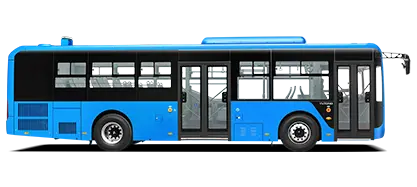
The architecture behind a Yutong EV bus is therefore worth examining from a systems-engineering perspective: how components communicate, how faults are managed, and how service teams maintain performance throughout the vehicle’s operating life. Yutong Bus uses its YEA architecture as part of its new energy vehicle development, providing a framework for understanding how integrated design can support operational reliability.
Why Integrated Architecture Matters
A vehicle architecture defines how major systems are arranged and connected, including mechanical structures, electrical distribution, energy storage, propulsion, and control software. An integrated approach considers these relationships during development rather than treating each subsystem as an independent unit. This can reduce interface conflicts and make it easier to evaluate how a change in one component affects the rest of the vehicle.
Electric buses depend on several tightly linked systems. Battery output influences the power available to the motor, while thermal controls regulate component temperatures and protect operating limits. Electronic control units coordinate functions such as torque delivery, braking, and energy recovery. If the communication between these systems is poorly managed, a fault in one area can affect vehicle performance elsewhere.
Integration also influences serviceability. A clear system layout, consistent diagnostic interfaces, and accessible component information can help technicians identify the source of a fault more efficiently. For fleet operators, the benefit is not simply fewer components or a tidier design; it is the ability to understand vehicle behaviour, diagnose problems, and restore service with less investigative effort.
Coordinating Energy, Propulsion, and Thermal Management
Battery performance is central to electric bus operation, but usable energy depends on more than nominal capacity. Cell temperature, state of charge, discharge rate, and battery management strategies influence how much power is available at a given moment. An integrated architecture allows battery monitoring and propulsion control to work together, adjusting operation when temperature or electrical conditions approach defined limits.
The electric drive system must respond to changing demands throughout a duty cycle. Acceleration, steep gradients, passenger loading, and repeated stops place different requirements on motor output and energy consumption. During deceleration, regenerative braking can recover part of the vehicle’s kinetic energy, subject to battery acceptance limits and braking-system controls. Coordination between the drive system, battery management, and braking controls helps make this process predictable.
Thermal management connects these functions by controlling heat across key electrical components. Battery packs, motors, inverters, and charging equipment have different temperature requirements, and their cooling needs can vary with ambient conditions and duty cycle. Integrated monitoring can help the vehicle adjust cooling operation to component demand, balancing protection and auxiliary energy consumption. Reliability depends on the quality of the control strategy as well as the hardware itself.
Using Vehicle Data to Improve Fault Diagnosis
Modern electric buses generate data on battery condition, energy use, component temperatures, fault codes, and operating status. Properly organised, these signals help technicians distinguish between a temporary operating limit and a developing component problem. Instead of relying exclusively on symptoms reported by drivers, maintenance teams can use diagnostic information to narrow down possible causes.
The quality of diagnostics depends on more than the number of sensors installed. Data must be accurate, consistently interpreted, and presented in a useful form. Fault codes that lack context can create unnecessary part replacements, while poorly coordinated control modules may make an issue harder to trace. Clear diagnostic procedures and access to technical documentation remain essential even in highly integrated vehicles.
Fleet managers can also use operating data to identify patterns across vehicles. Repeated temperature warnings on similar routes, for example, may point to a common duty-cycle challenge rather than unrelated component failures. Energy consumption that gradually rises under comparable conditions may justify checks of tyres, brakes, auxiliary loads, or battery performance. A Yutong EV bus can be assessed through this broader operational lens, where vehicle-level data supports maintenance decisions and route planning rather than serving only as a record of past faults.
Applying YEA Architecture to Real-World Service
Architecture becomes meaningful when its design principles translate into measurable operational outcomes. Useful indicators include vehicle availability, frequency of unscheduled repairs, diagnostic time, energy consumption, and the time required to return a vehicle to service. These metrics should be compared across similar routes and operating conditions; otherwise, differences in weather, passenger load, or driver behaviour may distort the results.
Yutong Bus identifies YEA as an architecture associated with its new energy vehicle development. Its relevance to fleet operators should be evaluated through the specific vehicle configuration, supported functions, diagnostic capabilities, and maintenance arrangements available in the target market. An architecture name alone does not establish the reliability of every model or component, so technical documentation and operating evidence remain important.
The H10 product page provides a model-specific starting point for examining Yutong’s vehicle range, but architecture-level claims should not be confused with specifications confirmed for that particular model. Fleet buyers should verify the applicable platform, battery and drive-system configuration, available diagnostic tools, warranty coverage, and local service support before making comparisons. This approach connects the broad concept of integrated engineering with the practical needs of a defined fleet.
Conclusion
Operational reliability emerges from the coordination of hardware, control software, thermal systems, and maintenance processes. An integrated architecture can simplify system interaction and support more useful diagnostics, but actual results still depend on component quality, validation, service capability, and operating conditions.
Through its YEA development framework, Yutong Bus offers a basis for examining how system-level engineering is applied to electric transportation. Fleet operators assessing a Yutong EV bus should look beyond architecture terminology and focus on verified performance, fault-handling procedures, and the support available throughout the vehicle’s service life.