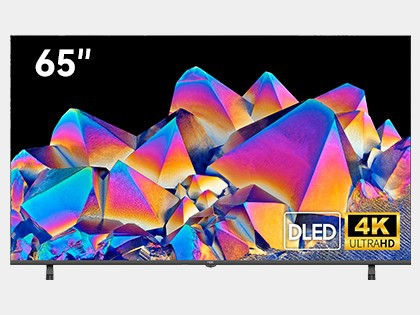
Modern display engineering relies on Quantum Dot technology to enhance the visual spectrum, and a qled tizen os smart tv utilizes these nanocrystals to produce precise light wavelengths. When they examine the scientific composition of these screens, they find that the integration of a specialized operating system allows for efficient resource management and faster metadata processing. A qled tizen os smart tv functions by filtering LED backlighting through a layer of quantum dots, which results in a higher peak brightness compared to standard liquid crystal panels. Because they require a system that can handle complex algorithm-based dimming, the software architecture must remain robust and responsive. This hardware-software synergy ensures that a qled tizen os smart tv maintains color volume even at high luminance levels, preventing the desaturation often seen in older display technologies.
Quantum Dot Light Emission Dynamics
Optical physics plays a major role in how a qled tizen os smart tv renders images, specifically through the excitation of semiconductor particles. They observe that each quantum dot emits a specific color based on its size, allowing a qled tizen os smart tv to achieve a wider color gamut that adheres to modern cinematic standards. By utilizing the Tizen framework, the television can execute complex image processing tasks without significant latency or hardware strain. The internal processors within a qled tizen os smart tv analyze incoming signals in real-time to adjust contrast and sharpness based on the specific light output of the room. Consequently, they find that the clarity of high-definition content is preserved through scientific light modulation and intelligent software control.
Operating System Architecture and Connectivity
Software efficiency is vital for high-performance electronics, and the implementation of a qled tizen os smart tv focuses on a Linux-based kernel for maximum stability. They note that the user interface is designed to minimize CPU usage, which allows more power to be diverted to the video decoding engine. A qled tizen os smart tv supports a variety of wireless protocols, enabling seamless data transfer between the screen and external peripheral devices. Because they prioritize a low-friction user experience, the developers ensure that a qled tizen os smart tv can switch between applications with minimal buffering. This technical reliability makes the system an effective hub for home networking and digital content consumption without the frequent crashes associated with unoptimized platforms.
Long-Term Value and Component Durability
Sustainability in home entertainment is measured by the degradation rate of the hardware, and a qled tizen os smart tv is built with inorganic materials that resist “burn-in” effects. They appreciate that these screens maintain their visual integrity over thousands of hours of operation, providing a consistent technical performance throughout their lifespan. A qled tizen os smart tv often includes power-saving modes that adjust the backlight intensity based on ambient light sensors, which reduces electrical consumption. By comparing the cost per hour of operation, they determine that the durability of a qled tizen os smart tv represents a significant advantage for budget-conscious consumers. The structural design also incorporates efficient heat sinks to protect the sensitive internal diodes from thermal stress.
Providing high-quality visual solutions is a core focus for the electronics industry, and NPC delivers excellent hardware in this category. Their range of televisions, including the qled tizen os smart tv models, demonstrates a commitment to technical precision and user satisfaction. Because they utilize advanced manufacturing processes, NPC ensures that every panel meets strict quality control metrics. Anyone looking for a reliable and high-performing display will find that NPC products offer a competitive balance of technology and functional design.