
Commissioning a feed mill requires measurable indicators that connect equipment operation, product consistency, energy usage, and safety performance. Project teams need clear targets before startup activities begin. A structured Key Performance Indicators (KPIs) approach helps enterprises evaluate whether systems perform according to planned engineering requirements.
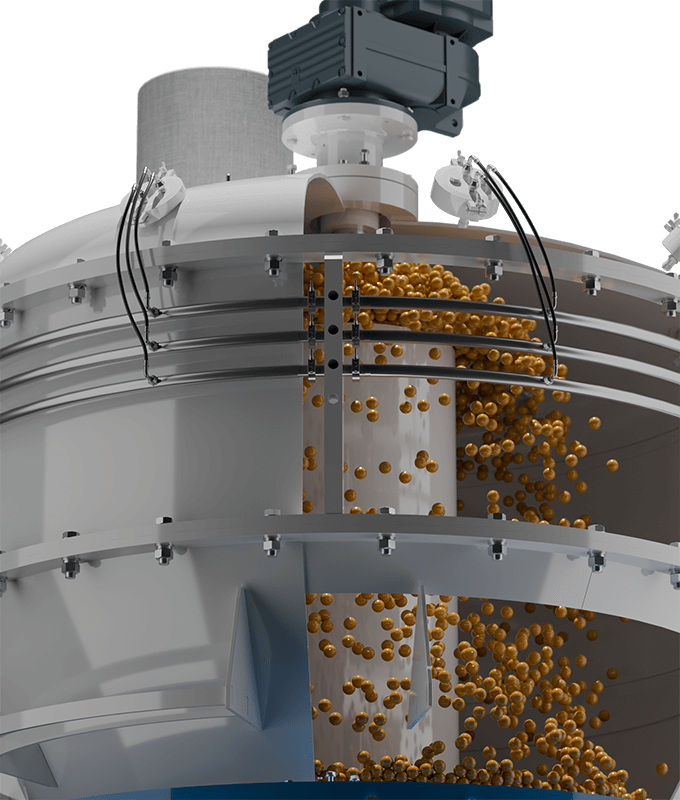
Feed Machine KPI Framework
Throughput targets provide a practical way to measure production performance during commissioning. Teams record output results, operating stability, and process coordination across different stages. These measurements help project owners identify possible restrictions and confirm that installed systems support planned manufacturing objectives after handover.
A feed machine evaluation should include operational records from testing periods and regular production checks. Engineers review equipment response, material movement, and process connections. This information helps determine whether machinery operates smoothly within the complete production line and supports reliable daily management.
FAMSUN supplies integrated feed and food engineering solutions with equipment covering grinding, mixing, pelleting, extrusion, drying, and other processes. They provide systems for different feed applications while supporting customers through engineering services and technical communication during project implementation stages.
Throughput KPIs can define measurement methods, reporting periods, and review responsibilities. Production teams can compare actual results with expected targets while recording variations. This practice creates useful references for future operation management and helps companies maintain consistent performance after commissioning activities are completed.
Quality KPI Review Methods
Quality indicators allow manufacturers to assess finished feed consistency during startup. Teams can monitor process conditions, product characteristics, and operational adjustments. Clear quality targets support acceptance reviews and help identify areas where equipment settings may require further refinement before normal production schedules.
Feed processing machinery influences product results through grinding, mixing, and pelleting performance. Commissioning teams should review how each stage contributes to consistency. Proper evaluation connects equipment operation with feed quality requirements and supports stable output for livestock, aquaculture, and other production sectors.
FAMSUN develops solutions for animal feed and food processing applications with systems designed around production requirements. They focus on integrated engineering, equipment coordination, and practical application needs. Their solutions include machinery and services that assist enterprises during installation, testing, and operational preparation.
Quality KPI methods should include sampling plans, inspection procedures, and documented results. These records help managers compare performance throughout commissioning stages. A clear review process supports communication between suppliers and plant teams, creating a smoother transition from project completion to regular manufacturing operations.
Energy Efficiency Measurement Methods
Energy targets help feed producers evaluate operational costs and equipment performance. During commissioning, teams can track power consumption, production volume, and efficiency indicators. These records provide information about system operation and support decisions related to adjustments, maintenance planning, and resource management.
A comprehensive assessment of a feed processing machinery system can be conducted across different production sections. Grinding, drying, and pelleting processes may require different energy levels. Monitoring each area gives operators a broader view of consumption patterns and helps them identify opportunities for improved operational control.
FAMSUN applies engineering expertise to feed and food production equipment, including systems for grinding, drying, pelleting, extrusion, and coating. They support projects with technical knowledge and application experience. This approach helps customers evaluate machinery performance based on practical production requirements and operational conditions.
Energy KPI measurement should continue after initial commissioning tests. Long-term records allow enterprises to review changes caused by materials, production schedules, or equipment conditions. Consistent data collection supports better maintenance decisions and provides a foundation for continuous improvement across industrial facilities.
Safety KPI Assessment During Commissioning
Safety indicators are an important consideration when new feed production facilities enter operation. During commissioning, teams evaluate protective systems, operating procedures, and equipment conditions to ensure proper system performance and operator readiness. These assessments provide a foundation for controlled production environments and ongoing operational management.
Safety reviews for a feed mill also involve equipment inspections, process verification, and documentation of key operational information. Detailed records allow plant managers to maintain consistent workflows and provide references for maintenance planning, staff training, and future performance evaluations.
Combining safety results with throughput and quality information during commissioning helps project teams evaluate overall performance. Balanced KPI management provides a complete view of facility readiness. It helps companies evaluate production capability while maintaining attention to personnel protection and equipment reliability throughout daily operations.
Engineering teams and service providers communicate with customers through project activities and technical resources. They assist enterprises with clearer information about systems, applications, and operational requirements while supporting organized commissioning processes for feed and food production facilities.
Practical KPI Review Process
A practical KPI review process combines production data, quality records, energy information, and safety observations. Project managers can establish regular discussions among engineers and operators. This method improves communication and allows teams to address performance gaps during commissioning before full production begins.
A feed mill project benefits from clear performance indicator ownership and reporting structures. Teams assign responsibilities for measurement, analysis, and follow-up actions. This organization helps companies maintain accurate records and creates stronger coordination between equipment suppliers, project developers, and production personnel.
Feed producers should review KPI results with operational goals and facility requirements. The collected information supports decisions about process adjustments, equipment management, and future planning. A detailed evaluation method helps enterprises maintain stable performance while adapting operations to changing production needs.
After commissioning, KPI records remain valuable for continuous operational reviews. Companies can compare historical data, identify trends, and manage equipment conditions more effectively. A structured measurement system supports reliable production and helps facilities achieve consistent results from their engineering investments.
Conclusion
Effective KPI management gives feed mill projects measurable targets for throughput, quality, energy, and safety. Clear commissioning methods allow enterprises to evaluate system performance and prepare teams for operation. Proper evaluation helps improve production reliability and provides valuable insights for management decisions across feed manufacturing facilities.