Solar-powered water pumping systems have become increasingly important for agricultural irrigation, industrial water supply, and remote infrastructure projects. When selecting suitable equipment, businesses often compare multi-phase solar VFDs and dedicated solar pump inverters because both technologies are designed to improve motor operation through solar energy utilization. However, differences in control parameters, motor compatibility, energy conversion methods, and application requirements can influence which solution is more suitable for a specific project.
Motor Compatibility Defines the Application Range of Solar VFD Systems
One of the main parameters differentiating multi-phase solar VFDs from solar pump inverters is motor compatibility. A solar VFD is generally designed to regulate variable-frequency motor operation by adjusting output frequency and voltage according to power conditions and load requirements. This flexibility allows it to support different motor types used in industrial automation and energy applications.
Multi-phase solar VFDs are often selected for systems requiring precise motor control, including applications involving three-phase motors, industrial equipment, and variable-speed operations. Their control functions can help optimize motor performance by adjusting speed according to operational demand.
A professional solar pump inverter manufacturer considers these requirements when developing solutions for water pumping applications. Unlike general-purpose drives, solar pump inverters are specifically optimized for pump systems, ensuring that solar energy conversion, motor control, and water output management work together efficiently.
Control Algorithms and MPPT Performance Affect Solar Energy Utilization
Another important difference between multi-phase solar VFDs and solar pump inverters is the approach to solar power management. Since solar energy output changes with sunlight intensity, efficient tracking technology is necessary to maximize available power.
Modern solar pump inverter systems typically integrate Maximum Power Point Tracking (MPPT) algorithms to continuously adjust operating conditions and extract higher energy output from photovoltaic panels. This function is particularly valuable for water pumping projects where stable operation is required throughout changing weather conditions.
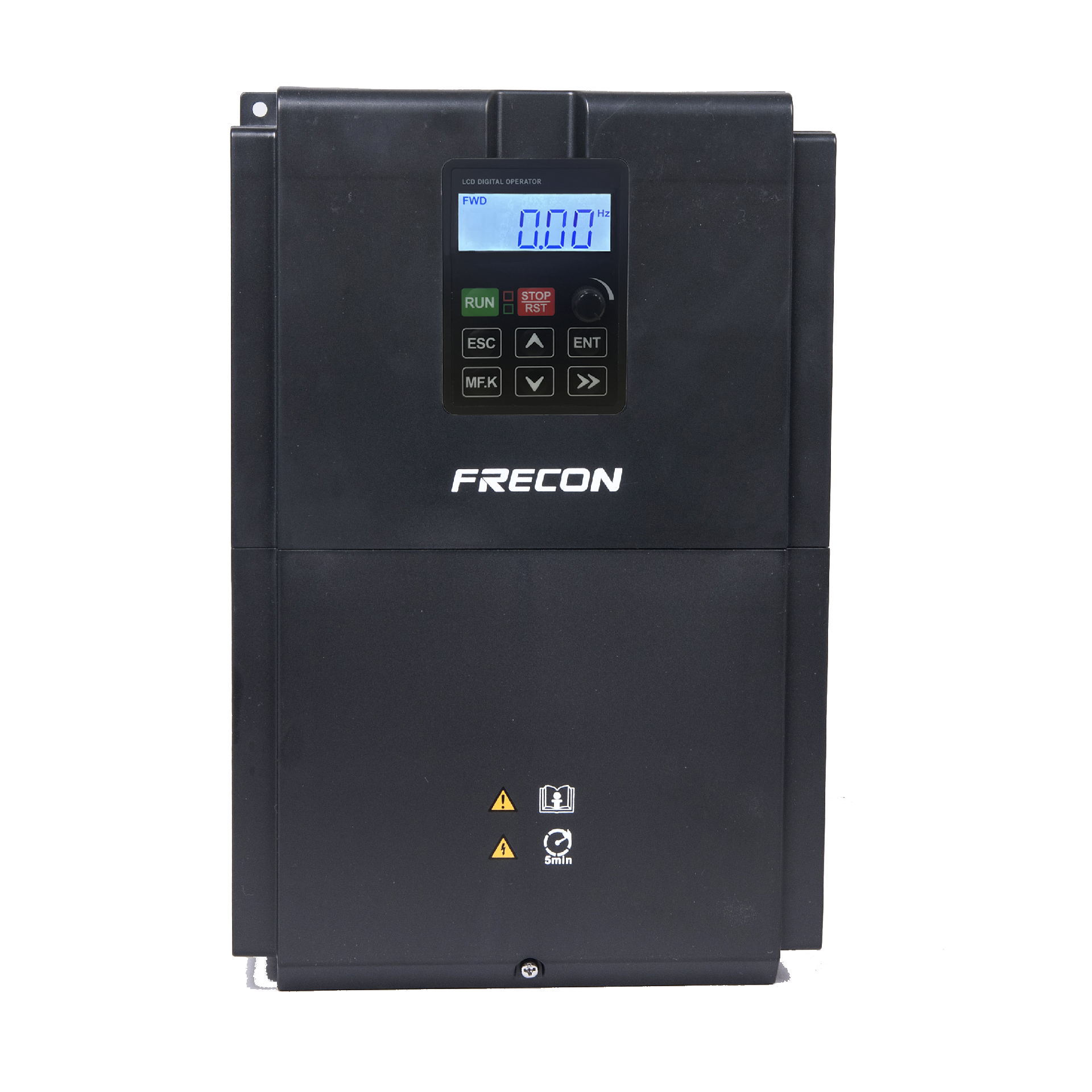
FRECON’s PV150A Series Solar Water Pump Inverter is designed with advanced MPPT algorithms and can achieve up to 99% efficiency. As a solar pump inverter manufacturer, FRECON develops solutions that combine solar energy conversion with reliable pump control, helping users improve water production while reducing dependence on traditional power sources.
Output Configuration and Power Adaptability Influence System Design
Power output configuration is another parameter that separates different solar drive technologies. Multi-phase solar VFDs are commonly associated with industrial motor applications where stable three-phase output and accurate frequency regulation are required.
Solar pump inverters, however, are developed around the specific needs of pumping systems. They need to manage motor startup, speed adjustment, and continuous operation while responding to variations in solar input. This makes output adaptability an important consideration during system planning.
The PV150A Series from FRECON supports multiple wiring configurations and can be applied to different motor types, including AM, PMSM, and BLDC motors. Its ability to support various motor structures provides greater flexibility for projects that require different pumping solutions. This type of adaptability is an important feature when businesses evaluate a solar VFD or solar pump inverter for long-term use.
Protection Functions Improve Reliability in Outdoor Applications
Outdoor solar pumping environments often expose equipment to challenges such as temperature changes, dust, unstable voltage conditions, and fluctuating solar radiation. Therefore, protection features are essential parameters when comparing different drive solutions.
A reliable solar pump inverter typically includes built-in protection functions designed to support safer operation. These may include safeguards against overload, overvoltage, undervoltage, and abnormal operating conditions. Such functions help reduce equipment risks and improve system stability.
For businesses sourcing from a solar pump inverter manufacturer, evaluating protection capabilities is as important as reviewing basic electrical specifications. Equipment designed specifically for solar pumping applications can provide better operational consistency because its functions are developed around real field conditions.
Battery-Free Operation and System Efficiency Support Sustainable Projects
Another difference between solar VFD solutions and solar pump inverters is their approach to energy system integration. Many solar pump inverter systems are designed to operate directly with photovoltaic power without requiring battery storage. This reduces system complexity and can lower installation and maintenance requirements.
Direct solar operation is especially useful for agricultural irrigation and remote water supply projects where reliable daytime pumping is the primary objective. By converting solar energy directly into motor power, these systems can provide a practical approach for improving energy efficiency.
FRECON’s PV150A Series Solar Water Pump Inverter supports no-battery operation and provides a hybrid supply design. The product is developed to deliver stable performance for solar pumping applications while maintaining efficient energy utilization. These characteristics demonstrate how a specialized solar pump inverter differs from a general solar VFD designed for broader motor control purposes.
Selecting the Right Solution for Different Industrial Needs
The choice between a multi-phase solar VFD and a solar pump inverter depends on project objectives, motor requirements, and operating environments. Companies focused on industrial automation may prioritize flexible frequency control and compatibility with different equipment, while water management projects may require specialized pumping functions and solar optimization.
Working with an experienced solar VFD supplier or solar pump inverter manufacturer can help businesses evaluate technical parameters more effectively. Factors such as motor type, solar input conditions, protection features, and expected operating hours should all be considered before selecting equipment.
Building Efficient Solar Pumping Systems Through Appropriate Technology Selection
Understanding the differences between multi-phase solar VFDs and solar pump inverters is important for renewable energy planning. It allows businesses to make more informed decisions when selecting solutions for their projects. While both technologies contribute to improved motor efficiency, dedicated solar pump inverters provide application-focused features such as MPPT optimization, pump-specific control, and battery-free operation.
FRECON specializes in industrial automation, energy efficiency, and green new energy solutions, providing advanced products such as the PV150A Series Solar Water Pump Inverter. With experience as a solar pump inverter manufacturer and developer of solar VFD technologies, FRECON supports customers in building reliable and efficient solar-powered pumping systems for diverse applications.