
Sacred architecture evolves alongside shifting worship styles, prompting religious institutions to reassess how indoor spaces welcome congregants. Modern houses of worship increasingly prioritize multi-functional hall design, where fixed seating gives way to adaptable, ergonomically sound arrangements. Installing well-designed sanctuary chairs allows worship centers to maintain reverence while hosting diverse community events throughout the week. Leadcom seating offers worship seating options that can be evaluated for durability, comfort, acoustic considerations, and layout flexibility.
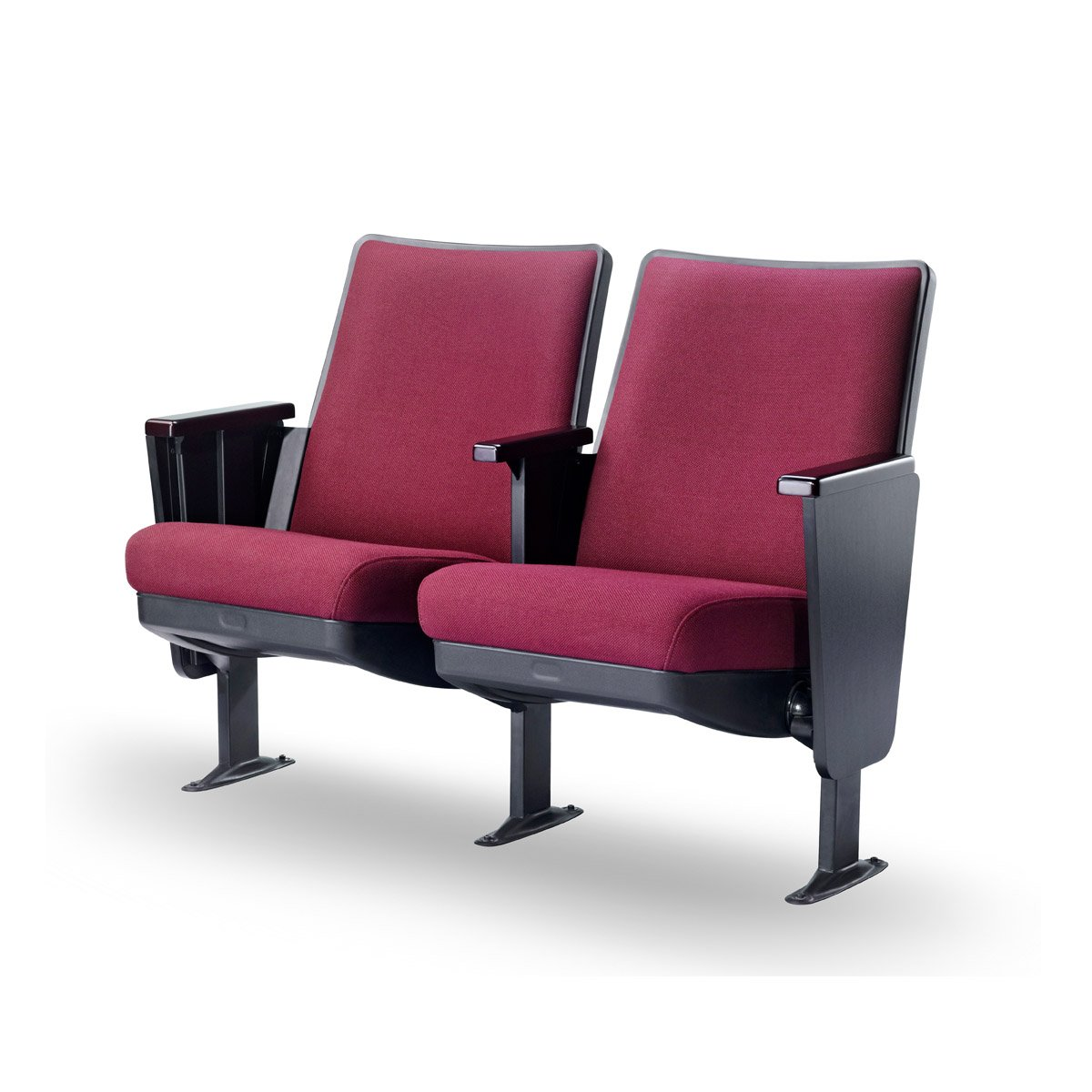
Churches moving away from rigid pews discover that modular arrangements improve both capacity planning and room versatility. Versatile layouts empower administrative committees to reconfigure main auditoriums for mid-week youth programs, musical performances, or community dinners. Selecting modern sanctuary chairs helps congregations optimize sightlines toward the altar or media screens while preserving personal comfort during extended services.
Shift From Traditional Wooden Pews to Modular Seating
Centuries of tradition established heavy timber pews as the standard choice for religious gathering spaces. However, fixed wooden benches can limit layout flexibility and may make changes to aisle arrangements more difficult. Transitioning to individual seats grants facilities the liberty to expand or contract main seating areas based on attendance fluctuations during major holy days.
Modular seating options streamline custodian cleaning routines and simplify floor maintenance beneath the seating grid. Lightweight frame designs permit rapid layout adjustments without damaging finished flooring surfaces or demanding extensive physical labor.
Prioritizing Ergonomic Support and Prolonged Sitting Comfort
Maintaining focus during long sermons or extended musical worship requires supportive seating contoured to human physiology. High-density cushion cores can provide consistent support and help maintain seating shape during repeated use, offering firm support that preserves structural shape after thousands of compression cycles. Molded polyurethane cushioning distributes body weight evenly, minimizing pressure points across the lower back and thighs.
Breathable upholstery fabrics enhance air circulation around seated attendees, reducing heat retention in crowded worship halls. Ergonomic backrests tailored to natural spinal curves encourage healthy posture, making long services far more pleasant for elderly attendees and young families alike.
Acoustic Optimization Within Worship Spaces
Sound transmission plays an essential role in how spoken ministry and live vocal music reverberate across an auditorium. Hard wooden pews often create undesirable acoustic reflections, causing sound clutter that muffles speech clarity. Upholstered seating can provide some sound absorption and may help maintain more consistent acoustic conditions as occupancy changes.
Quiet operating components prevent distracting noises when congregation members stand, sit, or shift positions. The PERFORMER PLASTIC LS-13601 model demonstrates this acoustic focus by integrating a dual spring tip-up mechanism designed for quieter seat operation. Such quiet engineering minimizes ambient background noise during quiet prayers and solemn moments of reflection.
Material Durability for High-Traffic Congregational Use
Religious centers handle heavy foot traffic from diverse community groups throughout the week. Outer back shells and seat pans crafted from molded polypropylene resist impact scratches, chemical cleaners, and UV exposure. High-grade plastic components preserve their original color and structural integrity, lowering long-term maintenance costs for budget-conscious organizations.
Sturdy frame assemblies anchored securely to floors or gangable rails resist wobbling and structural wear over years of active use. Choosing resilient synthetic materials protects initial capital investments, reducing the frequency of costly repairs or replacement cycles.
Balancing Cost Efficiency With High Performance
Budget constraints frequently influence procurement decisions during church renovation projects or new facility builds. Finding high-value seating solutions requires evaluating total lifecycle costs, including maintenance, freight, and installation labor. Cost-effective models featuring standardized components lower upfront expenses without compromising structural durability or attendee comfort.
Rapid assembly designs reduce overall installation timelines, allowing congregations to resume full operational schedules sooner. Streamlined manufacturing techniques help produce affordable seating options that meet strict safety standards without exceeding allocated building budgets.
Integration of Media Accessories and Writing Tablets
Modern worship methodologies often incorporate study guides, personal notebooks, and digital devices during educational sessions. Integrated fold-away writing tablets provide dedicated working surfaces for note-taking during Bible study classes or leadership seminars. These concealed tablets can be stored alongside the seating when not required, helping keep primary aisles clear.
Customization choices extend to wood or polypropylene end panels and armrests, enabling institutions to align furniture aesthetics with existing sanctuary decor. Adding functional attachments converts standard auditorium seating into multi-purpose learning environments tailored to contemporary religious education.
Visual Cohesion and Architectural Customization
Visual harmony within a worship sanctuary reinforces an atmosphere of serenity and contemplative focus. Clean geometric profiles combined with neutral or warm upholstery shades blend seamlessly into both historic stone cathedrals and sleek modern worship centers. Matching frame finishes with surrounding architectural elements creates a unified aesthetic identity throughout the building.
Customizing end panels and fabric textures allows design committees to reflect institutional identity across every row. Tailored design choices elevate the aesthetic appeal of the auditorium while providing inviting, comfortable spaces for communal gathering.
Conclusion
Embracing flexible, ergonomically sound seating options helps modern churches adapt to changing ministry demands and diverse community uses. Transitioning away from traditional pews toward modular seating enhances room acoustics, can support more flexible layouts, seating comfort, and acoustic planning when matched to the sanctuary’s requirements. Integrating durable product solutions engineered by Leadcom seating equips religious organizations with reliable, visually harmonious installations built to support vibrant congregational life for years to come.