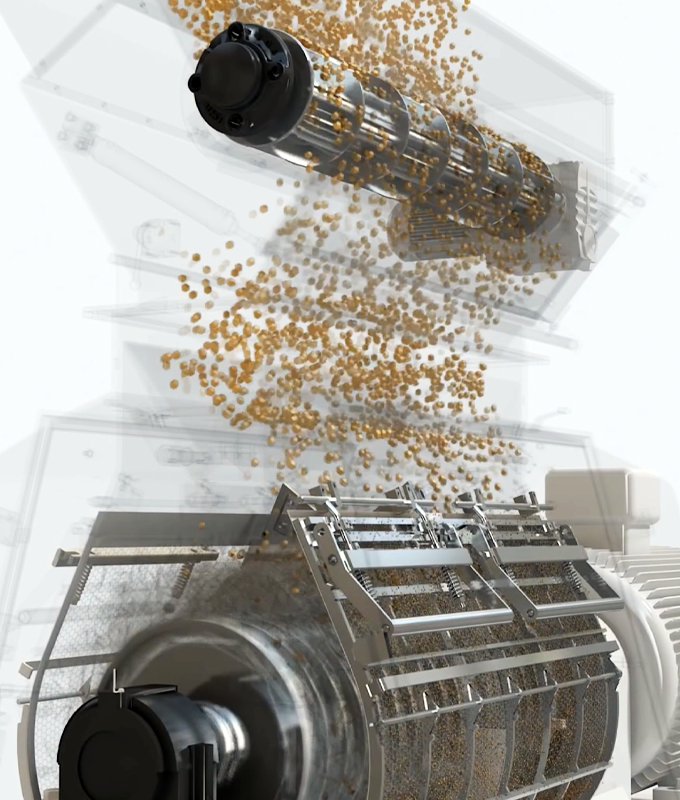
Pellet quality can shift with moisture, formulation, steam, pressure, and raw-material characteristics, making process control a moving target. Modern animal food processing machine systems can generate large amounts of operating data, while machine learning turns those records into useful signals for production decisions. FAMSUN approaches this broader transition through digital innovation, connecting process intelligence with more consistent manufacturing practices.
Why Pellet Quality Is Difficult to Predict
Pellet durability depends on several variables that interact rather than operate independently. Moisture content, conditioning temperature, residence time, die specifications, compression, and ingredient composition can all influence the final result. Small changes in one parameter may affect pellet durability index (PDI), fines, density, or throughput.
Traditional quality checks often rely on laboratory measurements collected after production. Such testing remains valuable, but delayed results make it difficult to react immediately to process fluctuations. Historical production records provide another layer of information that can reveal relationships between operating conditions and finished-pellet characteristics.
Machine learning changes the analytical approach by examining multiple variables simultaneously. Instead of relying on one threshold, a model can identify combinations of temperature, moisture, motor load, steam flow, and formulation characteristics that have previously been associated with specific quality outcomes.
Building Useful Production Data
Reliable prediction begins with the quality of the underlying dataset. Production records should connect raw-material information, recipe details, conditioning parameters, mill settings, equipment signals, and laboratory results through consistent timestamps or batch identifiers.
Data preparation also matters because industrial datasets frequently contain missing values, sensor anomalies, duplicated records, or inconsistent measurement intervals. Removing or correcting these issues before model training can improve the usefulness of later predictions.
Different algorithms can serve different purposes. Regression models may estimate PDI or moisture, classification models can flag batches with elevated quality risk, while time-series approaches can identify gradual changes in equipment or process behavior. Model selection should follow the production question rather than technological fashion.
Connecting ML Models With Pelletizing
Once trained, an ML system can interpret incoming process data and compare current conditions with patterns learned from historical batches. Such analysis may reveal that a combination of declining moisture, rising motor current, and changing steam demand could precede weaker pellet quality.
Process engineers can then use those signals alongside established operating procedures. The model does not need to replace human judgment; its practical value comes from giving operators earlier information about potential deviations.
The feed machine itself becomes an important source of training data. Motor current, temperature, vibration, feed rate, steam conditions, and other signals can provide the model with a detailed picture of how the production process is behaving.
Real-Time Conditioning Adjustment
Conditioning has a particularly strong relationship with pellet quality because moisture and heat affect ingredient plasticity and binding behavior. Excessive moisture may create downstream handling difficulties, while insufficient conditioning can contribute to poor pellet formation and higher fines.
ML-based control can estimate how current conditions may influence PDI before laboratory results become available. Depending on system architecture, recommendations may involve steam flow, conditioning residence time, moisture addition, or throughput adjustments.
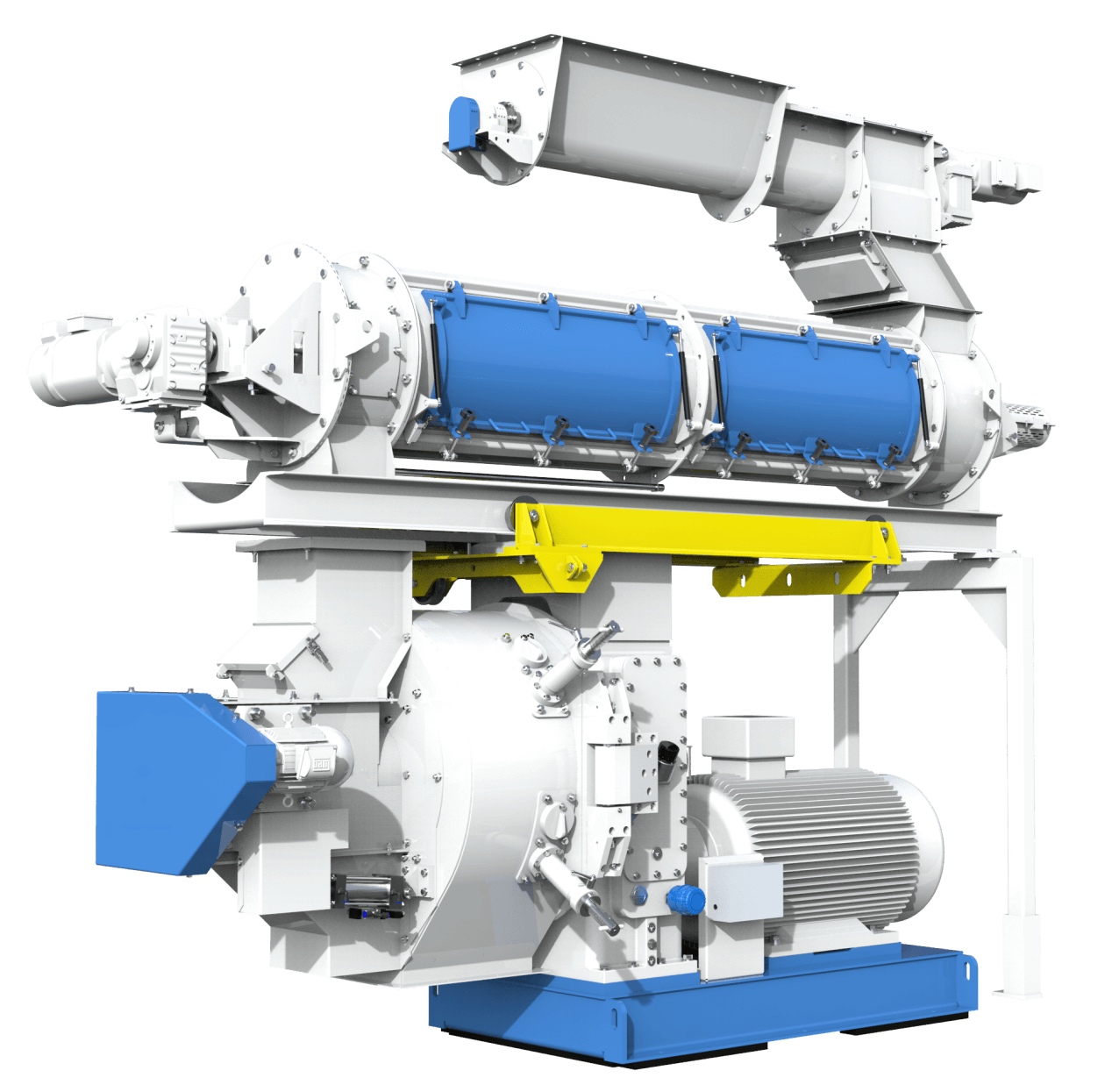
The FAMSUN KN Series Ruminant Pellet Mill illustrates why process flexibility matters in practical applications. Its configurations support formulations such as hay powder for cattle and sheep, molasses-pre-added feed, complete feeds for calves and different growth stages, and coarse-fiber poultry feed. Such formulation diversity creates useful opportunities for data-driven models to learn how different recipes respond to processing conditions.
Measuring PDI and Model Performance
Prediction quality should be evaluated against real production outcomes rather than relying solely on statistical scores. PDI measurements, fines percentage, pellet density, moisture, throughput, and energy consumption can provide complementary indicators of model performance.
Historical validation should also account for seasonal changes, ingredient substitutions, formulation shifts, and equipment maintenance. A model trained under one set of conditions may behave differently after significant process changes.
Periodic retraining can help the system adapt as new batches accumulate. Monitoring prediction errors is equally important because unusual raw materials or previously unseen operating conditions may fall outside the model’s original training range.
From Prediction to Practical Control
Machine learning becomes more useful when predictions are connected to clear operational responses. Operators may receive alerts when predicted PDI moves outside the preferred range, while automated systems can recommend conditioning adjustments based on current process signals.
Human oversight remains important, particularly when recommendations involve significant changes to steam, moisture, throughput, or formulation. Clear limits and escalation procedures can prevent an analytical model from being treated as an independent decision-maker.
Future digital feed production will likely combine sensor networks, process databases, laboratory measurements, and adaptive algorithms. Rather than focusing solely on faster production, this approach can help manufacturers understand why pellet quality changes and respond with greater precision.
Conclusion
Achieving consistent pellet quality requires more than a single data source or analytical model. Meaningful results emerge when historical batch information, equipment signals, laboratory testing, and process expertise are connected into a coherent feedback loop. Animal food processing machine technology can provide the physical foundation, while ML models add another layer of process interpretation. With its emphasis on digital innovation and intelligent solutions, FAMSUN reflects how data-driven manufacturing can support more responsive and sustainable feed production.