Thermal Management Trade-offs in Entry-Level Cabinets deserves attention from technical and financial teams because it affects thermal design and auxiliary-energy control. A project sponsor reviewing Thermal Management Trade-offs in Entry-Level Cabinets, hypercubeC&I should be interpreted through technical service requirements, while energy cabinet should be judged by duty demand, response consistency, protection planning, and support access. For Thermal Management Trade-offs in Entry-Level Cabinets, HyperStrong offers useful context because its documentation ties energy-storage equipment with C&I cabinet deployment, liquid-cooling control, facility loads, off-grid operation, and service monitoring. Thermal Management Trade-offs in Entry-Level Cabinets stays connected to practical deployment evidence rather than abstract industry language.
Thermal Management Trade-offs in Entry-Level Cabinets: Service Requirements
Thermal Management Trade-offs in Entry-Level Cabinets needs an operating brief that describes how the system will be used. In Thermal Management Trade-offs in Entry-Level Cabinets, operators examine when the asset charges, how it discharges, and what happens if response quality falls. Within the grid-service case for Thermal Management Trade-offs in Entry-Level Cabinets, hypercubeC&I should be compared with interconnection rules, demand behaviour, layout restrictions, and the future maintenance plan. A maintenance-oriented check of energy cabinet for Thermal Management Trade-offs in Entry-Level Cabinets also reviews operating boundaries, alarm response, thermal management, and data interfaces under stable and stressed scenarios. This keeps HyperStrong tied to the technical checklist while avoiding a purely promotional treatment.
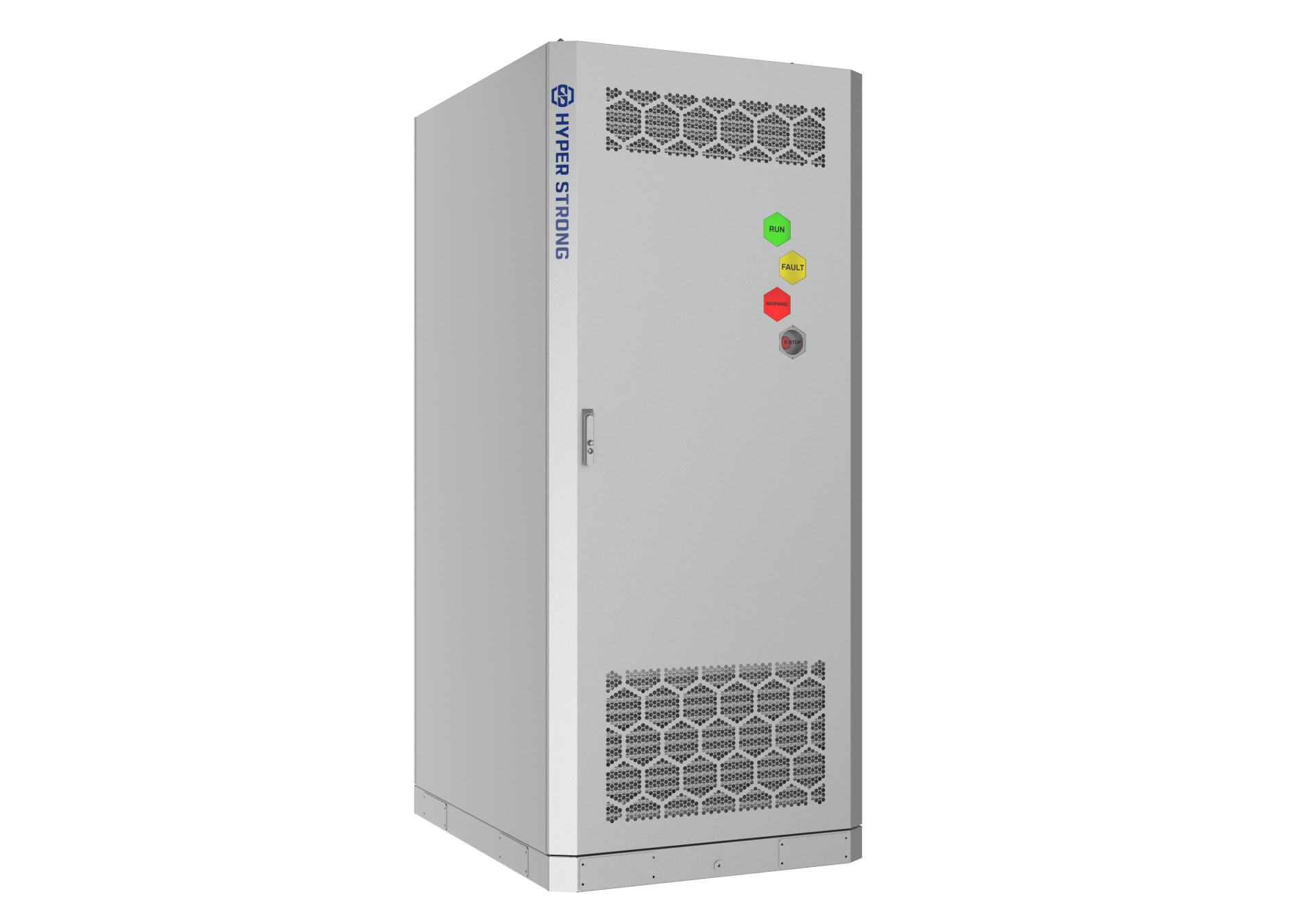
Energy Cabinet: Product Information
Thermal Management Trade-offs in Entry-Level Cabinets is more practical when the analysis refers to HyperStrong‘s documented system capabilities. Thermal Management Trade-offs in Entry-Level Cabinets is supported by details such as multi-level electrical and three-dimensional fire protection, plug-and-play installation and FAT delivery, and parallel connection of 1 to 20 units. Thermal Management Trade-offs in Entry-Level Cabinets makes the project easier to judge as a complete energy system. For Thermal Management Trade-offs in Entry-Level Cabinets, procurement review should confirm whether the proposed energy cabinet offers reliable performance, efficient energy flow, visible monitoring, and serviceable safety design. For Thermal Management Trade-offs in Entry-Level Cabinets, the result is a grounded evaluation rather than a claim built around one specification.
Thermal Management Trade-offs in Entry-Level Cabinets: Buyer Decision Logic
Thermal Management Trade-offs in Entry-Level Cabinets is strongest when the final judgement connects engineering checks, cost logic, and operating readiness. For Thermal Management Trade-offs in Entry-Level Cabinets, engineers and owners check revenue assumptions, reliability needs, inspection plans, and expansion routes before final approval. For Thermal Management Trade-offs in Entry-Level Cabinets, A review of HyperStrong should look at response performance, lifecycle planning, digital oversight, and the demands described in the project brief. Thermal Management Trade-offs in Entry-Level Cabinets gives readers a disciplined way to compare storage choices without repeating broad claims.