
An unresolved connector fault can survive several handovers when its inspection record is unclear. By rehearsal, the affected cabinet may already occupy a difficult working position. A practical LED stage screen rental checklist keeps each exception visible, identifies its owner and records the checks needed before that equipment enters service.
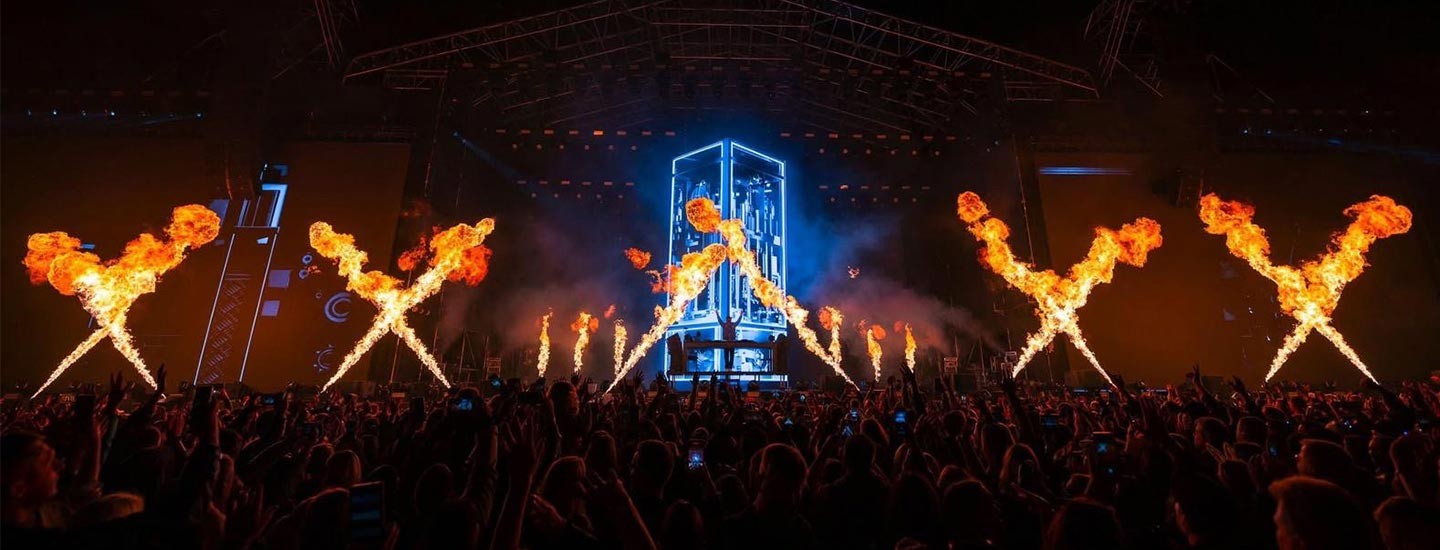
The following seven steps organize inspection findings and responsibility for correcting them. Each stage records what was checked, the result and any outstanding action. This practical sequence complements the project’s approved working arrangements; it is neither a certified operating procedure nor a substitute for qualified personnel’s structural and electrical decisions.
Inspect Arrivals and Confirm Structural Conditions
Step 1: transport inspection. Cabinet identification, visible damage, connector condition and missing accessories enter the arrival record before equipment joins the build. MAir’s six-cabinet dolly and MEGA’s twelve-cabinet dolly require their respective manifests.
A damaged or damp unit receives a clear status and referral for assessment rather than disappearing among apparently serviceable cabinets. The record separates faults needing repair from missing accessories.
Weight entries also identify the actual version: MAir mesh cabinets weigh 19 kg, while the solid version weighs 23.5 kg. MT II’s larger format weighs 7.9 kg in mesh form or 8.7 kg in solid form. Those distinctions help the record identify what arrived without substituting cabinet weights for complete equipment loads. Handling arrangements follow those identified cabinet sizes and configurations.
Step 2: structural review. Before assembly proceeds, responsible personnel confirm the supporting structure, beams, rigging, bracing and weather arrangements against the project plan. A concert stage screen requires an assessed installation, including its complete accessory loads.
Product hanging limits remain inputs to that assessment. Any mismatch between delivered equipment and the approved arrangement returns for resolution before the affected installation work continues.
Verify Connections Before Energization
Step 3: installation. Positioning and completed locking receive separate checks. On YES TECH MAir and MEGA cabinets, locating pins and magnetic alignment assist placement, while locks and lower latches complete their respective connections.
MT II uses large handles and quick locks. Single-person cabinet operation describes that equipment task, without setting the staffing needed for the whole installation. The inspection identifies every unfinished or questionable connection.
Step 4: power and signal. Qualified personnel complete the required electrical checks before energization and manage testing under the approved electrical plan. Mechanical readiness must also be confirmed before powered operation.
For LED stage screen rental, the record distinguishes power connections from signal connections, identifies cabinet signal order and records the actual control configuration supplied. Cable identification links each test result with the circuit or signal route.
MAir and MEGA offer Nova or Brompton control, while MT II uses Nova. Testing follows the installed option rather than a general series description. Suspected water ingress calls for power disconnection by qualified personnel and assessment before drying, testing or repair. IP65-rated configurations still require appropriate equipment care; their protection rating cannot clear a damaged connection for use.
Run the Program and Record Exceptions
Step 5: playback inspection. Representative show material follows successful hardware checks, allowing the concert stage screen to be assessed as a complete image. The record covers cabinet mapping, color consistency, intended brightness and the actual playback configuration. Test patterns help locate faults, while the scheduled material reveals whether essential images and messages appear in the intended places.
A playback exception needs an identifiable location and condition. An incorrect picture sequence, mismatched cabinet or missing region can be recorded against its screen position and active content cue.
That gives the relevant technician or content operator a defined correction task and preserves a useful reference for the subsequent confirmation run. A named owner prevents that exception from becoming everybody’s assumption.
Camera checks use the intended shutter and processing settings alongside the display settings. MAir and MEGA specify refresh rates of at least 7680 Hz, and MT II specifies 7680 Hz, but the production still needs its own capture test.
The LED stage screen rental record retains unresolved playback or camera issues for correction, then records whether the repeated check closed each item. Changed settings accompany the result so the configuration remains recoverable.
Prepare Recovery and Complete the Walkthrough
Step 6: spares. The spare inventory matches the installed cabinet, module and control configurations. A concert stage screen also needs accessible configuration records, suitable replacement components and identified service responsibility.
Individual failed LEDs remain professional-service items. Knowing where a compatible spare is stored and who can fit it makes the recovery arrangement actionable. Service access and equipment isolation follow the approved arrangements.
Step 7: final safety review. The walkthrough revisits earlier structural and electrical confirmations, checks for changes during preparation and confirms that outstanding findings have reached the responsible parties.
It does not postpone safety until the final moment. Weather exposure, equipment access and cable arrangements remain part of the project’s established review and approval process. New defects require assessment before affected equipment operates.
Open findings stay visible at handover, including the affected equipment, required action and person responsible. Corrections return through the relevant check rather than receiving an unexplained tick.
The readiness record connects arrival inspection with the final installed condition. Any unresolved safety defect prevents use of the affected equipment until qualified personnel complete the assessment, corrective work and documented clearance for operation.